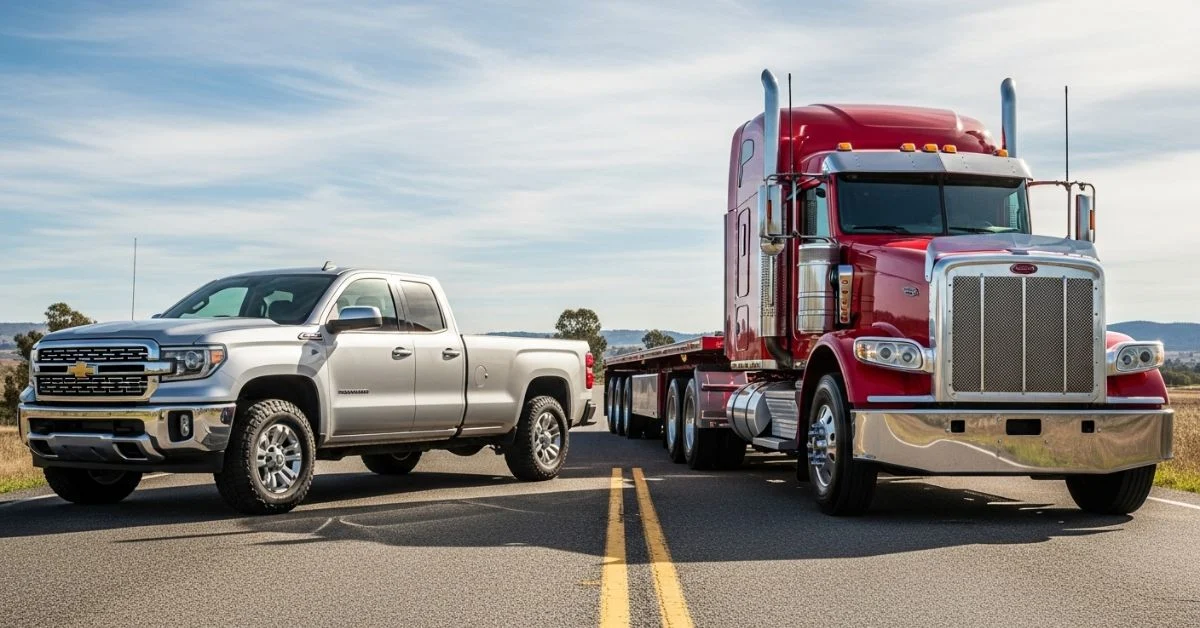
If you have ever searched “pickup or truck”, you are not alone. Many buyers, students, contractors, and everyday drivers get confused about whether a pickup is actually a truck—or if the two are completely different vehicles.
In everyday conversation, people often use the word truck for almost anything large and powerful on the road.
But in the automotive world, the meaning can change depending on vehicle classification, weight class, usage, and even country.
This guide explains everything clearly:
- what a pickup truck is
- what counts as a truck
- light-duty vs heavy-duty vehicles
- towing and payload differences
- US vs UK terminology
- and which option is best for your needs
By the end, you will confidently know whether a pickup or truck fits your lifestyle or business.
Quick Answer: Is a Pickup a Truck?
Yes — a pickup is a type of truck.
More specifically, most pickups fall under the category of:
- Light-duty trucks
- Utility vehicles
- Personal + work vehicles
However, not every truck is a pickup. The word truck also includes:
- Semi-trucks (tractor-trailers)
- Box trucks
- Dump trucks
- Tow trucks
- Delivery trucks
- Fire trucks
- Tanker trucks
So the relationship is simple:
👉 All pickups are trucks, but not all trucks are pickups.
What Is a Pickup Truck?
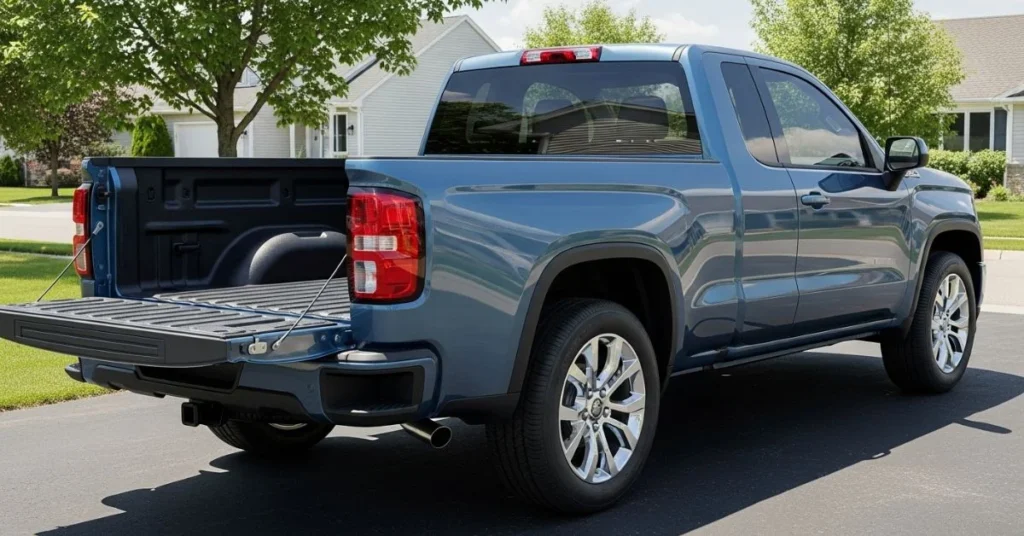
A pickup truck is a vehicle designed with:
- An open cargo bed
- A closed cab for passengers
- Light- to medium-duty hauling capability
- Options for 4×4 or AWD
- Gasoline or diesel engines
Common Pickup Features
- Short, standard, or long bed length
- Single cab, extended cab, or crew cab
- Moderate payload capacity
- Strong towing power
- Comfortable interior for daily driving
Popular pickup examples include:
Ford F-150, Toyota Hilux, Chevrolet Silverado, RAM 1500, Nissan Frontier, Isuzu D-Max, Mitsubishi Triton, and Ford Ranger.
What Is a Truck? (General Definition)
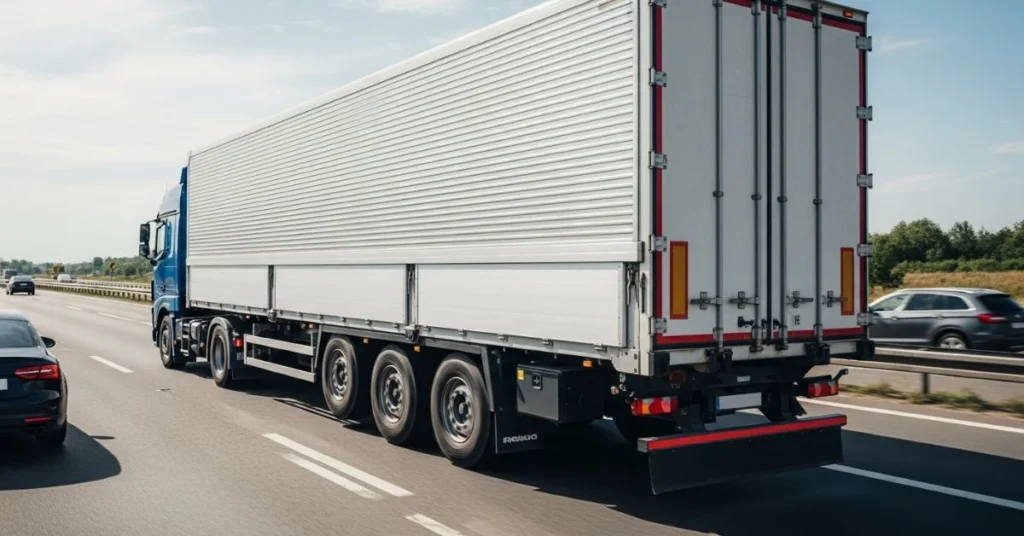
In broader terms, a truck is any vehicle primarily built to:
- Transport cargo
- Haul equipment
- Tow trailers
- Support commercial or industrial work
Trucks can be:
- Light-duty (pickups, small delivery trucks)
- Medium-duty (box trucks, flatbeds)
- Heavy-duty (semi-trucks, cement mixers, tankers)
They often differ in:
- Gross Vehicle Weight Rating (GVWR)
- Number of axles
- Suspension strength
- Chassis size
- Commercial licensing requirements
Pickup vs Truck: Key Differences Explained
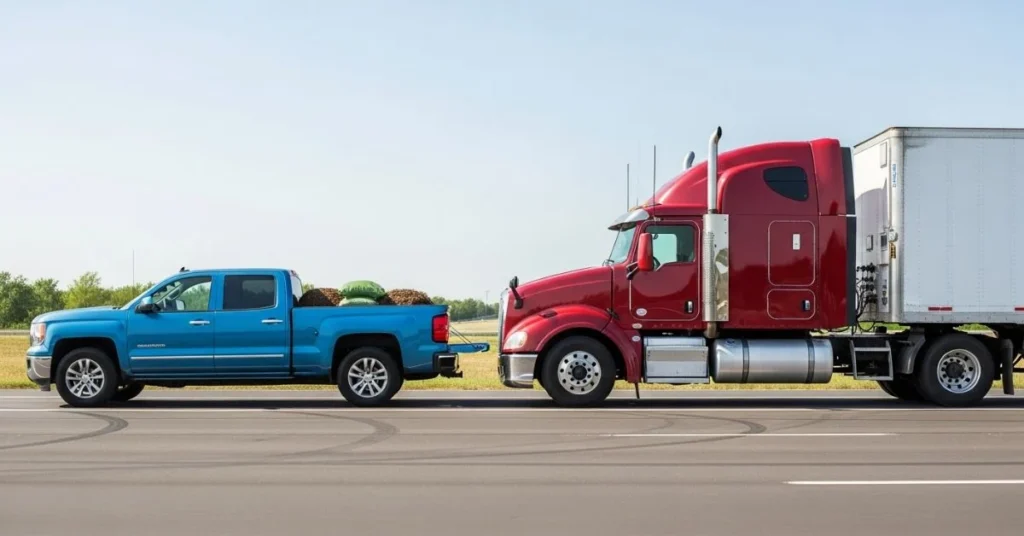
When people compare pickup vs truck, they usually mean pickup vs large commercial truck. Here are the real differences:
🚚 1. Size & Weight Class
- Pickup: Light-duty, smaller frame
- Truck: Can range from light to extremely heavy
⚖ 2. Payload & Towing
- Pickup: Ideal for home projects, boats, trailers
- Heavy Truck: Designed for freight transport and construction
⛽ 3. Fuel Efficiency
- Pickups usually offer better mileage than large trucks
- Heavy trucks consume much more diesel
🛣 4. Driving Comfort
- Pickups behave more like passenger vehicles
- Big trucks require special training and handling
💰 5. Maintenance & Insurance
- Pickups: lower insurance and servicing cost
- Commercial trucks: expensive parts, licensing, and upkeep
Pickup or Truck: US vs UK Meaning
Language matters.
In American English, the word truck includes pickups.
In British English, people often say:
- lorry = large commercial truck
- pickup = pickup truck
This regional difference is one reason the search term “pickup or truck meaning” is so popular.
Types of Trucks You Should Know
To fully understand this topic, here are major truck categories:
- Semi-truck / tractor-trailer
- Box truck
- Dump truck
- Flatbed truck
- Tow truck
- Garbage truck
- Fire truck
- Logging truck
- Refrigerated truck
- Tanker truck
- Cement mixer
Pickups sit at the smallest end of this spectrum.
Who Should Buy a Pickup Truck?
Based on buyer profiles and ICP data, a pickup is perfect for:
👨🔧 Contractors & Small Businesses
- Tools and equipment hauling
- Occasional towing
- Fleet vehicles for crews
🚙 Personal Vehicle Buyers
- Daily driving + weekend utility
- Home improvement projects
- Outdoor adventures
🏕 Off-Road Enthusiasts
- Four-wheel drive capability
- Rugged suspension
- Camping and trail use
Who Needs a Bigger Truck?
Choose a medium- or heavy-duty truck if you:
- Run a logistics company
- Move freight daily
- Operate in construction or mining
- Need high GVWR limits
- Tow massive trailers constantly
Fleet managers and commercial operators often prioritize:
- Durability
- Registration class
- Road tax rules
- Diesel engines
- Payload regulations
Cost Comparison: Pickup vs Truck
| Factor | Pickup Truck | Commercial Truck |
|---|---|---|
| Purchase Price | Moderate | High |
| Fuel Cost | Lower | Much higher |
| Insurance | Personal rates | Commercial rates |
| Maintenance | Affordable | Expensive |
| Licensing | Standard | Special CDL often needed |
| Parking | Easy | Difficult |
Truck or Pickup: Which Should You Choose?
Ask yourself these questions:
✔ How heavy is your regular load?
✔ Do you tow trailers daily or rarely?
✔ Is this for business or personal use?
✔ Will you drive in cities often?
✔ What are fuel costs in your area?
Choose a Pickup if:
- You want versatility
- You drive daily
- Loads are moderate
- Comfort matters
Choose a Larger Truck if:
- You haul freight constantly
- It’s for logistics or delivery
- GVWR limits are high
- Commercial licenses are required
Why Are Pickups So Popular Worldwide?
Pickups blend:
- Passenger-vehicle comfort
- Work-ready durability
- Strong resale value
- Multiple configurations
- Off-road capability
This is why models like the Toyota Hilux and Ford F-Series dominate markets in the US, Australia, and parts of Asia.
FAQs: Pickup or Truck
Is a pickup truck the same as a cargo truck?
No, a pickup is smaller and designed for light-duty hauling, while cargo trucks are built for commercial freight.
Can a pickup tow heavy trailers?
Many pickups can tow large trailers, but extreme loads require medium- or heavy-duty trucks.
Are diesel engines more common in trucks than pickups?
Diesel engines are standard in heavy trucks and optional in some pickups for towing and payload needs.
What is a light-duty truck?
A light-duty truck is a vehicle like a pickup that falls under lower GVWR limits for personal or small business use.
Is “pickup” or “pickup truck” the correct term?
Both are correct, but “pickup truck” is the full and more formal name.
Do pickups handle off-road better than big trucks?
Yes, pickups are more maneuverable off-road due to smaller size and lighter weight.
Are pickup trucks cheaper to insure than commercial trucks?
Yes, insurance for pickups is usually lower than for large commercial vehicles.
Can a pickup replace a delivery truck for a business?
It can for small operations, but high-volume delivery usually requires a dedicated commercial truck.
Do pickups qualify as commercial vehicles?
They can be registered as commercial vehicles in some regions, depending on usage and local laws.
What affects resale value more: pickup or truck?
Pickups generally hold value better due to higher consumer demand and everyday usability.
Final Verdict:
The debate isn’t really pickup or truck — it’s about which type of truck fits your needs.
A pickup truck is the best all-around option for:
- homeowners
- contractors
- outdoor lovers
- small business owners
But for large-scale hauling and freight transport, nothing replaces a true heavy-duty commercial truck.

Michael Chabon is a master of language and a metaphors & similes expert at metaphre.com, where he transforms ordinary words into vivid, unforgettable imagery.
With his creative approach and deep understanding of expressive writing, Michael helps readers unlock the true power of language and craft memorable, impactful writing.